Andrographis Paniculata – King of Bitters (Kalmegh)
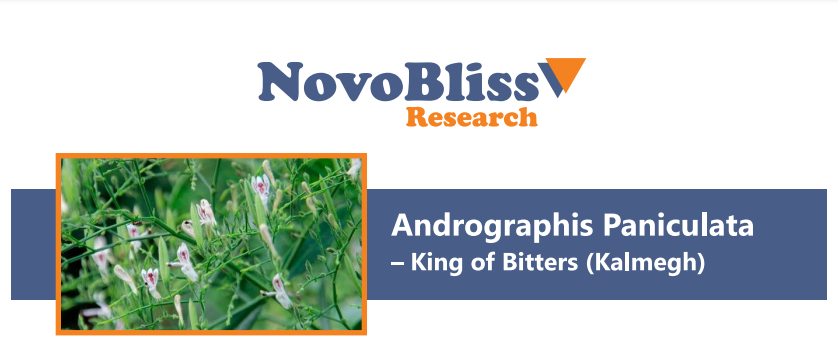
Andrographis paniculata is an important medicinal plant of Andrographis genus.It is known as Kalmegh or kariyat. A. paniculata is an annual, branched, erect, and herbaceous plant. This plant grows abundantly in Southern and Southeastern Asia including India, Java, Sri Lanka, Pakistan, and Indonesia.

Andrographis leaf and stem helps in stimulating the immune system. It might also prevent flu viruses from binding to cells in the body. Due to its “cold property” activity, it is recommended to be used to get rid of the body heat in fevers and to dispel toxins from the body.

The plant is also used for the osteoarthritis, infection of the throat and tonsils, and a type of bowel disease called ulcerative colitis, treatment of snake bite, bug bite, diabetes, dysentery, fever, and malaria. It has a high blood purifying property.

It is also used for “hardening of the arteries” (atherosclerosis), and prevention of heart disease and diabetes. In addition to these, following activities has been proven scientifically.

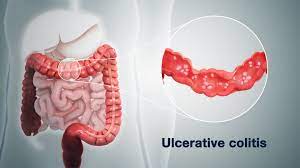
A type of inflammatory bowel disease (Ulcerative Colitis): If Andrographis extract is taken by mouth daily for 8 weeks reduces symptoms of ulcerative colitis about as well as the drug mesalamine.

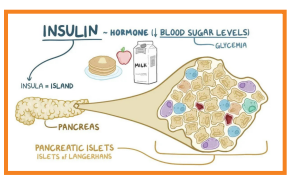
Anti-hyperglycemic Effect: Blood glucose lowering effect of Andrographis paniculata was observed in both insulin-lacking diabetic rats and normal rats in several studies. The effect might be found due to presence of andrographolide.

Hepatoprotective Effect: A. paniculata is widely used traditionally as a hepatoprotective agent and a stimulating agent for multiple enzymes of the liver.

Anti-Viral Effect: Antiviral activity against limited viruses was observed such as dengue virus serotype 1 (DENV-1), human papilloma virus type 16 (HPV16), herpes simplex virus type 1 (HSV-1), influenza A virus

Anti-Cancer Activity: Andrographolide exhibited both direct & indirect effects on cancer cells by inhibiting proliferation of cancer cells, cell-cycle arrests, or cell differentiation, enhancing body’s own immune system against cancer cells; and inducting apoptosis and necrosis of cancer cells.
PCOD – Polycystic Ovarian Disease | PCOS – Polycystic Ovarian Syndrome

PCOD or PCOS is a condition that affects women’s ovaries, the reproductive organs that produce progesterone and estrogen hormones that help in regulating the menstrual cycle and also produce small amount of hormones inhibin, relaxin, and male hormones called androgens.

Almost 10% of women in the world is suffering from PCOD. In compare to PCOD women with PCOS produce higher-than-normal amounts of male hormones. This hormone imbalance causes them to skip menstrual periods and makes it harder for them to get pregnant.Besides unpredictable hormonal behaviour, this condition can trigger:

  • Diabetes
  • Infertility
  • Acne
  • Excessive Hair Growth

It’s a fairly common disorder, but one with no exact cure.

What is PCOD Problem?

PCOD (Polycystic Ovarian Disease) is a medical condition in which the woman ovaries produce immature or partially mature eggs in large numbers and over the time these become cysts in ovaries. Due to this ovaries become large and secrete large amount of male hormones (androgens) causing infertility, irregular menstrual cycles, hair loss and abnormal weight gain. PCOD can be controlled by diet and lifestyle modifications.

What is PCOS?

PCOS (Polycystic Ovary Syndrome) is a metabolic disorder in which the woman affected by hormonal imbalance in their reproductive years (between ages 12 and 51). Due to increase level of male hormones females might skip menstrual periods, have irregular ovulation making it hard to get pregnant, get abnormal hair growth on the body and face simultaneously it can lead to heart disease and diabetes in long term. PCOS is a serious medical condition, and it requires proper medical attention or surgical treatment.

Common Signs and Symptoms

Causes of PCOD

Cause is still unknown. However, the association of PCOD with low-grade inflammation, excess insulin, production of male hormones (Hyperandrogenism) in high quantity and genetics can be found.

Early age of menarche, unhealthy lifestyle and pollution are some of the contributing factors of PCOD.

How to manage PCOD – Polycystic Ovarian Disease/PCOS-Polycystic Ovarian syndrome

  • PCOD is characterized by multiple small cysts in the ovaries.
  • It makes the ovary enlarged & lead to excessive production of androgen & oestrogen hormones causing various bodily issues.

Allopathic and Natural Treatments

  • Medicines are available to treat insulin resistance and balance hormones to correct menstrual cycles.
  • Adolescent patients are treated with hormones and metformin to regularize the periods and insulin resistance.
  • Skin treatments are available for acne, pigmentation and hair growth.
  • Fertility drugs are administered to infertile patients.
  • Herbal formulations such as PCOS balance, PCOS drink are available in market.

Scientific claims by Clinical study have been performed on Plants such as mentha spicata, cinnamomum zeylanicum, Gymnemasylvestre and Trigonella foenumgraceumetc. Therefore, they can be also used in the treatment of PCOD.