
Journal of Ayurvedic Herbal and Integrative Medicine
October-December 2026 6(3)
www.ayurvedicherbaljournal.com
Original Article
Ayurveda as a Complementary Strategy Against Antimicrobial Resistance: Systematic Review of Evidence, Mechanisms Insights, and Future Directions
Dr. Maheshvari Patel 1*, Dr. Nayan Patel 2
1 Chief Operating Officer, NovoBliss Research Private Limited. 313, Silver Radiance-4, Gota, Ahmedabad- 382481 Gujarat, India
2 Medical Director, NovoBliss Research Private Limited. 313, Silver Radiance-4, Gota, Ahmedabad- 382481 Gujarat, India
Abstract
Introduction: Antimicrobial resistance (AMR) a growing worldwide concern for health, requires an alternative and mechanistically heterogeneous treatment approaches. Ayurveda with its broad spectrum of therapeutic herbs and phytoconstituents, is a potent alternative to antibacterial and resistance-modulating treatments.
Methodology: Research and review articles published from 2015 to 2026 were selected through PubMed, Web of Science, Scopus, and Google Scholar. Using Rayyan, 90 records screened of which, 13 duplicates were removed and 13 Articles were excluded and 64 articles were included in the qualitative synthesis.
Results and Discussion: As per the reviewed evidence Ayurvedic plant phytoconstituents demonstrate an antibacterial, antibiofilm, antivirulence, resistance-modulating, and antibiotic-adjuvant effects against clinically relevant resistant pathogens. Several substances such as thymol, carvacrol, cinnamaldehyde, piperine, and quercetin, may increase the therapeutic value of conventional antibiotics by using complimentary processes. However, formulation variability, poor standardization, mechanistic gaps, a lack of pharmacokinetic and safety evidence, possible drug-herb interactions, and regulatory heterogeneity contribute as a barrier to clinical translation of ayurvedic formulation.
Conclusion: Rather than taking the place of traditional antibiotic medication, Ayurveda presents an appropriate complementary, multi-target approach for managing AMR. To elucidate its clinical relevance, future research should concentrate on standardized formulations, pharmacological and mechanistic validation, safety characterisation, and carefully planned clinical trials.
Keywords: Ayurveda, Antimicrobial Resistance, Medicinal Plants, Phytochemicals, Antibiotic Synergy, Multidrug Resistance, Integrative Medicine
Introduction
Infectious diseases are associated with bacterial, viral, fungal, and parasite pathogenic factors which remain a significant global health concern and antimicrobial therapies are mainly prescribed clinically for Infectious disease prevention and clinical management. Meanwhile, the emergence, selection, and broad spread of antimicrobial-resistant bacteria are a complex phenomenon, that triggered by advanced biological, clinical, and environmental factors, eventually that leads to negative impact on long-term potency of antibiotic therapy and cause antimicrobial resistance (AMR). Tang and M (2023), Patra (2025)
One of the major challenges to world health is antimicrobial resistance, which threatens decades of advancements in treatment. According to the latest estimates, bacterial AMR corresponded to 4.71 million mortality rates in 2021, of which 1.14 million were directly caused by resistant infections. Low- and middle-income nations bear a significant portion of the burden, which emphasizes the crucial requirement for organized international initiatives to minimize its aggravating clinical, social, and economic outcomes. Naghavi and V (2024)
In consequence of uncontrolled antimicrobial usage, rapid microbial evolution, horizontal gene transfer, biofilm-mediated persistence, and the slow development of new antimicrobial drugs, the therapeutic efficiency of currently available antibiotics is gradually decreasing. As a result, the number of effective treatment alternatives available has significantly reduced due to the rapid evolution of multidrug-resistant (MDR), extensively drug-resistant (XDR), and pan-drug-resistant (PDR) microorganisms. Laxminarayan and I (2024), Cocker (2024)
Innovative therapeutic approaches beyond conventional antibiotic research have to be developed considering the complex nature of AMR. Ayurveda, fast diagnostics, immunomodulation, phototherapeutics, microbiome-targeted therapies, antimicrobial stewardship, and infection prevention are prominent instances of integrative approaches that may reduce antibiotic dependency while boosting host resistance. These strategies are consistent with the One Health framework for long-term AMR prevention. Goldmann and R (2024), Laxminarayan and I (2024)
This review critically appraises the potential contribution of integrative Ayurveda to antimicrobial resistance management by consolidating contemporary evidence on Ayurvedic botanicals, Rasayana therapeutics, phytochemicals, immunomodulatory mechanisms, anti-biofilm activity, microbiome modulation, and synergistic interactions with conventional antimicrobials. It further discusses translational prospects, scientific limitations, regulatory considerations, and future research priorities for evidence-based clinical integration.
Post Occupancy Evaluation (POE)
In order to compile information on the probable involvement of Ayurveda in antimicrobial resistance (AMR), including antimicrobial, antibiofilm, antivirulence, resistance-modulating, and antibiotic-adjuvant actions, a systematic literature search was carried out. Using Boolean combinations of terms related to Ayurveda, medicinal plants, phytoconstituents, AMR, resistant pathogens, antimicrobial mechanisms, biofilms, virulence, and antibiotic synergy, research and review articles, those were published between 2015 and 2026, were retrieved from PubMed, Web of Science, Scopus, and Google Scholar. Reference lists of relevant publications were also examined, to find relevant studies.
Studies focusing on Ayurvedic treatments or phytoconstituents with experimental, computational, preclinical, clinical, or mechanistic relevance to AMR were retrieved in the eligible literature. Publications that were duplicates, irrelevant, non-research, or lacked appropriate antimicrobial results were not included. The Rayyan AI-powered systematic review platform obtained the records for research screening and duplicate elimination as well. 13 duplicates were removed from the 90 records that were earliest identified, thus leaving 77 unique records. After further screening and eligibility evaluation, 64 research and review articles were included to contribute to the qualitative synthesis. In order to characterize the translational potential of Ayurveda in AMR management, data were collected including study characteristics, Ayurvedic interventions, target pathogens, experimental models, antimicrobial outcomes, mechanisms, antibiotic interactions, and principal findings, and furtherly those data were assembled thematically.
Findings and Discussion
1) The Growing Threat of Antimicrobial Resistance
Since resistant microbial infections continuously increasing in hospital as well as community settings, antimicrobial resistance has evolved into a chronic and growing worldwide health challenge. According to emerging epidemiological data, the burden is growing across a variety of pathogen-drug combinations, with critically vulnerable patients and elderly persons continuing to be more severely impacted. Methicillin-resistant Staphylococcus aureus (MRSA) and highly resistant Gram-negative bacteria are still being discovered, which highlights how rapidly bacterial resistance is developing and how difficult it is to manage infections. Collaborators (2022), Tosas Auguet and D (2025), Gulumbe and A (2026)
Human endeavours and microbial evolution interact in tandem to trigger the development of AMR. Strong selective pressure that promotes resistant microbes develops by excessive consumption and incorrect utilization of antibiotics in clinical practice, agriculture, and animal husbandry. Insufficient infection control, unsanitary conditions, the spreading of antimicrobial residues in the environment, and the horizontal transfer of resistance genes between bacterial populations all contribute to this process. The associated roles of food production, healthcare systems, and environmental reservoirs in preserving the spread of antibiotic resistance are further demonstrated by growing genetic research. James (2026), Goldmann and R (2024)
A small number of bacterial pathogens with remarkable versatility and multidrug resistance phenotypes are usually attributed to the prevalence of antibiotic resistance. Carbapenem-resistant Acinetobacter baumannii, carbapenem-resistant Pseudomonas aeruginosa, methicillin-resistant Staphylococcus aureus (MRSA), vancomycin-resistant Enterococcus faecium (VRE), multidrug-resistant Mycobacterium tuberculosis, fluoroquinolone-resistant Salmonella and Shigella species, and antimicrobial-resistant Neisseria gonorrhoeae have been identified as the most clinically significant. They significantly inhibit therapeutic efficiency and promote the spread of resistant diseases due to their unparalleled genomic plasticity, effective horizontal gene transfer, capacity for forming biofilms, and continued existence in healthcare and community settings. As a result, these pathogens appear to be primary focus for translational research, surveillance, and antibiotic research. Organization (2024), Tosas Auguet and D (2025)
Figure 1
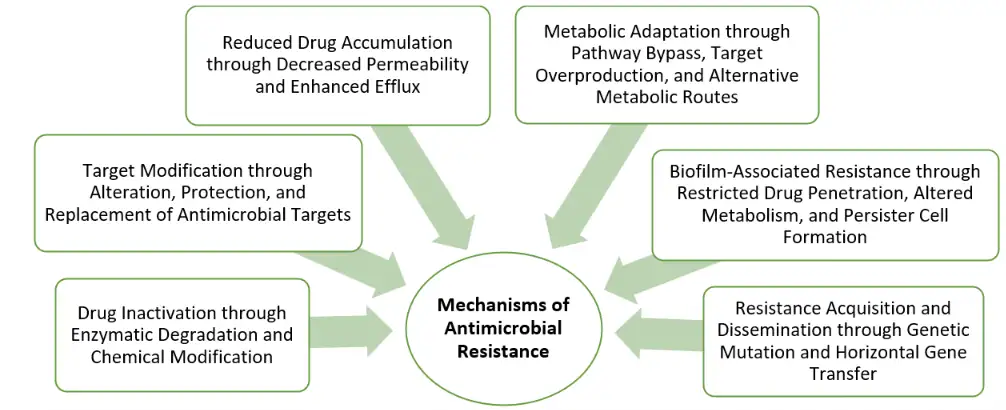
Figure 1 Key Mechanisms of Antimicrobial Resistance
AMR has significant consequences that go far deeper than treatment failure. Extended hospitalizations, a delayed recovery process, elevated healthcare costs, and greater dependence on critical care are all factors associated with resistant infections. Additionally, they compromise the effectiveness of revolutionary medical interventions where sufficient antimicrobial prophylaxis is essential, including such things as organ transplantation, cancer chemotherapy, and major surgical procedures. When considered as a whole, these clinical and economic consequences result in significant strain on healthcare systems, reduce output, and lead to long-term socioeconomic costs. Shinde and M (2026), Tosas Auguet and D (2025)
2) Ayurvedic Principles and Their Relevance to Antimicrobial Resistance
Ayurveda is a holistic, systems-based medical science focusing on personalized interventions over disease-specific medications in an attempt to preserve physiological homeostasis and enhance overall health. The proper equilibrium of Tridosha (Vata, Pitta, and Kapha), optimal Agni (metabolic function), balanced Dhatus (body tissues), effective Mala removal, and preservation of Ojas all of these which together regulate health, immunity, and disease resistance are its core principles. In order to establish systemic equilibrium, therapeutic approaches are modified based on a person’s Prakriti (constitutional phenotype) and typically include herbal formulations, dietary modification, modified lifestyles, and Rasayana therapies. Joshi and P (2023), Lee and S (2022)
The scientific rationale of these traditional concepts has been reinforced by modern advances in systems pharmacology, network therapeutics, Ayurvedic biology, and Ayurgenomics. Based on newly published research, Ayurvedic phytotherapeutics could exhibit multidisciplinary pharmacological effects by altering the associated molecular networks associated with cellular interactions, oxidative stress, immunological regulation, inflammatory signalling pathways, and the metabolic balance. This network-centric therapeutic approach perspective provides an additional strategy for treating various conditions and corresponds well with modern concepts of systemic biology and precision medical practice. In the context of infectious diseases and antibiotic resistance, which strengthening host resistance and restoration of physiological function may supplement traditional pathogen-directed therapy, such a comprehensive approach is especially essential. Sahu and G (2023), Noor and T (2022)
Using the theories of Krimi (pathogenic organisms), Aupasargika Roga (communicable diseases), and Janapadodhwamsa (epidemic disorders), Ayurveda comprehends the nature of infectious diseases, understanding how they are susceptible to transmission through physical contact, contaminated air, water, and commonly used objects. However, the main causes of a condition progression are decreased Vyadhikshamatva (host defense), Dosha imbalance, and impaired Agni (metabolic integrity), all of which suppress resistance to infection. This primarily host-focused viewpoint exhibits significant agreement with modern concepts of immunological homeostasis, host-directed therapies, and host-pathogen interactions. Pandkar and S (2022), Metangale and M (2024), A and P (2025)
As consequence, an Ayurvedic treatment expands beyond reducing pathogens by restoration of physiological balance via Rasayana, personalized diet, modifications to lifestyles, traditional herbal remedies, and traditional detoxification techniques. Ayurvedic phytoconstituents exhibit multitarget antibacterial, antiviral, immunomodulatory, anti-inflammatory, antioxidant, anti-biofilm, and microbiome-regulating characteristics, according to recent pharmacological and translational findings. These approaches can strengthen host resistance and supplement traditional antibiotic therapy by influencing associated molecular and immunological pathways, thus providing an emerging systems-based strategy in the defense against antimicrobial resistance. Bindhu and N (2025), Anand and T (2022)
Insufficient availability of adequately planned multicentre randomized controlled trials, poor formulation standardization, phytochemical uncertainty, inadequate pharmacokinetic characterization, and insufficient mechanistic validation are continuing to restrict extensive application in clinical settings even with these beneficial therapeutic effects. For the establishment of Ayurveda as a scientifically valid and evidence-supported part of integrated infectious disease therapies, these challenges must be overcome through comprehensive clinical research, standard physiology, network pharmacology, and standardized quality-control processes. Umesh and R (2022)
3) How Ayurveda Can Help Combat Antimicrobial Resistance
Ayurveda offers a multi-faceted therapeutic approach that deal with AMR, by incorporating several effects at once, such as direct anti-microbial effects, immune system regulation, anti-inflammatory action, Prevention of biofilm formation, and microbiome regulation. Unlike conventional antibiotics which mostly just inhibit microbial proliferation, ayurvedic phototherapeutics comprise of wide range of bioactive molecules, which include alkaloids, flavonoids, terpenoids, phenolics, tannins, and saponins and exert multifaceted pharmacological action. They possess several pharmacological benefits at the same time. Such as, these phytochemicals can reduce microbial growth by altering membrane stability, interrupting nucleic acid and protein synthesis and, blocking efflux pump functions. However, the overall process leads to inhibition of the emergence of antimicrobial resistance. Ashraf and P (2023) , Jadimurthy (2023), Ahirwar and S (2026)
Recent findings suggest, that ayurvedic herbal plants are a major source of bioactive compounds, having noticeable antimicrobial effects against drug resistant pathogens. Their secondary metabolites are structurally quite diverse, and they bring off multitarget pharmacological actions, like a layered approach. This may provide corresponding therapeutic strategies that, could reduce the dependence on conventional antibiotics and also help in Evolving new approaches, to fight antimicrobial resistance. Patil and J (2023)
In addition to antimicrobial activities, ayurvedic medicinal plants alter both innate and adaptive immune responses by regulating inflammatory cytokines, oxidative stress and cellular signalling pathways. This host-directed approach to treatment results in improved pathogen clearance with minimized collateral tissue damage. Moreover, various phytoconstituents inhibit quorum sensing processes and the formation of extracellular polymeric molecules, which prevents biofilm formation and increasing the susceptibility of microbes to antimicrobial agents. Emerging evidence additionally points out that ayurvedic interventions are capable of maintaining a gut microbial homeostasis, enhancing epithelial barrier integrity and ameliorating antibiotic-induced dysbiosis, thus leading to enhanced immune competence and resistance to infection. Sarojini and J (2025), Ali and N (2022), Srivastava and V (2026)
These network-mediated pleiotropic mechanisms are in compliance with the contemporary concepts of systems pharmacology and individualized medicine, and indicate Ayurveda as a promising adjunctive approach for AMR management. However, the therapeutic translation of such approaches requires a standardized formulations and comprehensive pharmacokinetic evaluation, as well as robust multicentre randomized controlled trials to establish reproducible efficacy, safety and mechanistic validation. Jach and S (2026), El-Saadony and S (2025), De Silva and D (2026), Ahirwar and S (2026)
Figure 2
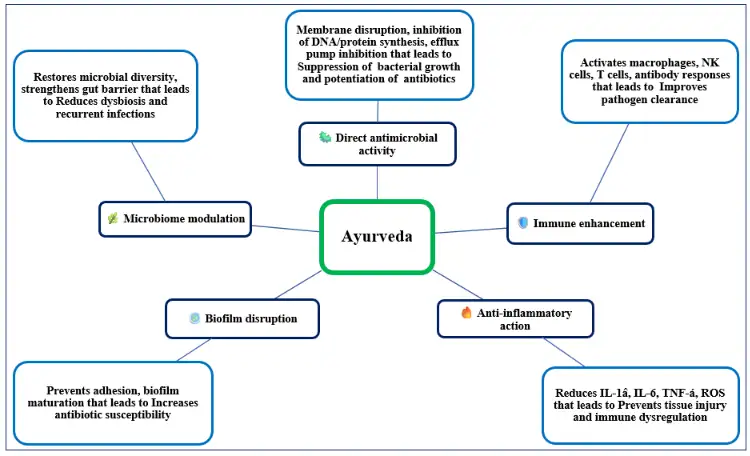
Figure 2 Mechanistic Framework of Ayurveda in Antimicrobial Resistance Management
Scientific Evidence
| Sr. No. | Ayurvedic herb/phytochemical | MDR pathogen(s) | Experimental methods | Key findings | Proposed mechanism | Reference |
|---|---|---|---|---|---|---|
| In Silico study | ||||||
| 1. | Thymol + Carvacrol + Cinnamaldehyde | Multidrug-resistant EAEC and NTS strains | Using Swiss ADME, drug-likeness, molecular properties, and bioactivity assessed, while Protox-II and StopTox servers, and using AutoDock v.4.20 the in silico molecular docking of the phytochemical ligands with the protein motifs of dispersin (PDB ID: 2jvu) and outer membrane osmoporin (PDB ID: 3uu2) was carried out. | All three phytochemicals showed drug-like properties, Beneficial predicted safety profiles, and good binding affinity toward dispersin and OmpC. They demonstrated antibacterial activity against multidrug-resistant EAEC and NTS strains in MIC/MBC assays and demonstrated relatively good stability across tested pH and cationic-salt conditions. | Potential interaction with dispersin and OmpC, that interfered with bacterial adhesion/outer-membrane functions and leads to antibacterial activity. | Abishad (2021) |
| 2. | Black pepper phyto-constituents | MDR E. coli | Through the use of AutoDock 4.2.6, the specified Piper nigrum phytoconstituents were molecularly docked in comparison with the EmrD efflux pump of E. coli (PDB ID: 2GFP). Lipinski’s rule as well as AdmetSAR were used subsequently for assessing the drug-likeness and ADMET features. | Piperine (−6.23 kcal/mol), β-caryophyllene (−6.36 kcal/mol), β-selinene (−6.93 kcal/mol), and β-thujene (−5.42 kcal/mol) presented stronger predicted binding to EmrD than amoxicillin (−5.85 kcal/mol), with torsional free energies of +0.89, 0.00, +0.30, and +0.30 kcal/mol, respectively, in comparison of +2.93 kcal/mol for amoxicillin. | Amoxicillin efflux can be reduced when EmrD efflux inhibition occurs, which enhances the intracellular antibiotic concentration and can improve amoxicillin efficacy against MDR E. coli. | Dongre and B (2022) |
| 3. | Quercetin, epigallocatechin gallate (EGCG), kaempferol, berberine, curcumin, and allicin | Efflux pumps TetB and EmrD | Using both the EmrD structure (PDB ID: 2GFP) and AlphaFold-derived TetB structure, molecularly docking of selected phytochemicals (quercetin, EGCG, kaempferol, berberine, curcumin, and allicin) carried out against TetB and EmrD efflux pumps, and subsequently performing a comparative binding-affinity analysis. | The most significant binding to TetB was observed by quercetin (−7.743 kcal/mol), however the strongest binding to EmrD was observed by EGCG (−7.494 kcal/mol). Allicin demonstrated the lowest affinity (−4.149 kcal/mol), whereas berberine and curcumin showed affinities of −7.306 and −6.819 kcal/mol, respectively. | Potential efflux-pump inhibition leads to reduction in antibiotic efflux that elevated the intracellular antibiotic exposure and improved the antibiotic action against bacteria those were resistant. | Suresh (2026) |
| In Vitro study | ||||||
| 4. | Hypericum perforatum methanolic extract | MRSA, E. faecalis, E. coli, K. pneumoniae | Agar diffusion, MIC, LC-MS/MS, TEM | Whole extract demonstrated the strongest antibacterial activity (17.9–27.9 mm inhibition zones); MDR K. pneumoniae was most susceptible; TEM confirmed ultrastructural damage. | Cell damage mediated by bioactive phytochemicals (e.g., hypericin, hyperforin, flavonoids) | Sherif and M (2023) |
| 5. | Seven medicinal plant (Rumex abyssinicus, Cucumis pustulatus, Discopodium penninervium, Lippia adoensis, Euphorbia depauperata, Cirsium englerianum, and Polysphaeria aethiopica) extracts | MRSA, ESBL E. coli, K. pneumoniae, Candida spp. | Disc diffusion, broth microdilution, MIC/MBC, phytochemical screening | Hydroalcoholic extracts showed inhibition zones of 11–29 mm and MICs of 1–128 μg/mL; several plants exhibited strong and favourable activity against MDR pathogens. | Phytochemicals including alkaloids, flavonoids, tannins, phenolics, and terpenoids showed antimicrobial activity | Kebede (2021) |
| 6. | Mentha spicata and Mentha piperita essential oils | S. aureus, Acinetobacter spp., Candida spp. | Agar well diffusion, TLC bioautography, phytochemical analysis | Mentha spicata Demonstrated strong antibacterial and antifungal activity, with phytochemical screening that revealing bioactive constituents those are linked to antimicrobial effects. | Essential oils and phenolic compounds Interfering with microbial growth | Zaidi and D (2015) |
| 7. | Basil, thyme, oregano, tea tree oils | MDR A. baumannii, E. coli, K. pneumoniae, P. aeruginosa | Broth macrodilution, MIC/MBC | Tea tree oil showed the broadest antibacterial activity, while some oils exhibited limited activity against MDR P. aeruginosa. | Membrane disruption which leads to phytochemical antimicrobial activity | Sakkas (2016) |
| 8. | Methanolic plant extract of Camellia sinensis, Aloysia citrodora, Hibiscus sabdariffa, Thymus vulgaris, Phlomis brachyodon, Anchusa azurea and Glycyrrhiza glabra | Ten isolates of ESBLs E. coli, 10 MRSA, 10 MSSA, and 5 MDR P. aeruginosa | Agar diffusion assay / agar well or disc diffusion assay | Extracts showed antibacterial activity against MRSA, with C. sinensis (19.9 mm) and A. citrodora (19.3 mm) demonstrating the strongest activity. | – | Bataineh et al. (2021) |
| 9. | Glabrol (isoprenylated flavonoid | MRSA and VRE | Against MRSA, VRE, A. baumannii and E. coli according to CLSI 2019 guidelines a library of 1000 plant-derived phytochemicals were screened for antibacterial activity. Active compounds were further examined for synergy with streptomycin using MIC determination, ε-value analysis and microdilution checkerboard/FICI assays. Then investigation of the combination of glabrol–streptomycin was done using membrane-permeability and membrane-potential assays, ROS/MDA measurements, SEM/TEM, transcriptomic and metabolomic analyses, and an MRSA-infected macrophage intracellular model. HSLGS-S, a glabrol–streptomycin-loaded hyaluronic-acid nanoparticle system, was also evaluated for intracellular antibacterial activity. | Glabrol synergized with streptomycin against MRSA/VRE (FICI ≤0.5), disrupted bacterial membranes, affected biofilm/cell-wall pathways and amino-acid metabolism, and decreased intracellular MRSA; HSLGS-S further improved intracellular bacterial clearance. | Multi-target membrane disruption + oxidative stress + inhibition of biofilm/cell-wall-associated pathways + disruption of arginine/amino-acid metabolism; HSLGS-S enhances intracellular delivery through CD44-mediated uptake and GSH-responsive release. | Wang et al. (2024) |
| 10. | Cirsium englerianum, Euphorbia depauperata, Lippia adoensis, Discopodium penninervium, Rumex abyssinicus, Cucumis pustulatus, Polysphaeria aethiopica | MDR-MRSA | Extraction of Leaves/roots of the seven medicinal plants were performed using 80% methanol by maceration. Antibacterial activity was examined against MDR and reference bacterial strains using the agar disc diffusion method, with inhibition zones that measured in mm. MIC and MBC were also assessed, with experiments which performed in triplicate and subjected to statistical analysis. Phytochemical screening was also carried out to identify major classes of secondary metabolites. | All seven methanolic extracts showed antibacterial activity against MDR-MRSA, but activity varied considerably. C. englerianum showed the strongest activity (28 mm), followed by L. adoensis (27 mm), E. depauperata (26 mm), D. penninervium (25 mm), R. abyssinicus (23 mm), C. pustulatus (22 mm), and P. aethiopica (19 mm) at 30 µg/mL. Several extracts also showed activity against other Gram-positive and Gram-negative bacteria, that indicates broader antibacterial potential. | Phytochemical screening revealed multiple potentially bioactive classes, including tannins, alkaloids, terpenoids, anthraquinones, phenolic compounds and flavonoids, which were linked with the observed antibacterial activity, but the study did not identify individual molecular targets or mechanisms. | Likhitkar (2023) |
| 11. | Olea europaea (olive) leaf extract; major phenolics investigated by docking included oleuropein, hydroxytyrosol, tyrosol, verbascoside, luteolin-7-O-glucoside and apigenin | MDR/clinically resistant E. faecium, S. agalactiae, S. aureus, K. pneumoniae, E. coli, E. cloacae, P. aeruginosa and C. albicans | Leaf extraction was done using methanol, acetone and water at 100–6.25 mg/mL, agar well-diffusion assay was carried out for antimicrobial susceptibility testing and MIC/MBC determination was done in comparison with conventional antimicrobial agents then selected phytochemicals were additionally screened by molecular docking against E. coli cytochrome-c peroxidase. | Methanolic extract exhibited the strongest activity. At 100 mg/mL, inhibition zones which included 39.33 mm against E. cloacae and 29 mm against S. agalactiae and activity was also observed against K. pneumoniae, S. aureus, E. coli and E. faecium. Remarkably, E. faecium and S. agalactiae were resistant to the conventional antimicrobials tested while were inhibited by the olive extract. Aqueous extract also demonstrated activity, specifically against P. aeruginosa (27 mm). | Interactions between olive-derived constituents and bacterial cytochrome-c peroxidase were demonstrated by Molecular Docking which included hydrogen bonding with Ser185, Lys179 and Arg48. The hypothesis was made by authors that, peroxidase inhibition and disruption of bacterial redox homeostasis, potentially increasing antibiotic susceptibility to oxidative stress. | Aloriby and E (2025) |
| 12. | Ficus carica leaf extract; selected phytochemicals included psoralen, eugenol, acetyleugenol and quercetin | Clinically resistant S. aureus, K. pneumoniae, E. coli and S. agalactiae, with additional testing against E. faecium, E. faecalis, E. cloacae, P. aeruginosa and C. albicans | Methanol, acetone and water extraction approach was used for extraction, and agar well-diffusion assay at 100–6.25 mg/mL was used antimicrobial susceptibility testing, also MIC/MBC/MFC assessment was carried out and molecular docking of selected phytochemicals was done. | Overall activity was notably weaker than O. europaea. Methanolic extract at 100 mg/mL exhibited inhibition zones of 20 mm against S. aureus, 8 mm against K. pneumoniae, 9.33 mm against E. coli and 13.67 mm against S. agalactiae, but activity was minimal or absent at lower concentrations of extract, and C. albicans remained resistant. Acetone extract demonstrated only 8.67 mm against K. pneumoniae at 100 mg/mL. | The study does not experimentally define a specific antimicrobial mechanism for F. carica. The selected phytochemicals were screened for molecular-docking analysis, but the mechanistic interpretation of the study primarily supports the olive-extract/peroxidase interaction. | Aloriby and E (2025) |
| In Vivo Study | ||||||
| 13. | Conocarpus erectus | MDR S. aureus | Rat sepsis model | Significant reduction in colony count was observed with no acute toxicity | Antioxidant activity and bacterial membrane disruption. | Waheed (2022) |
| 14. | Lawsonia inermis (Henna) | MDR bacteria from pus of wound. | Infected diabetic rat wounds | Enhanced wound healing and regulated inflammatory gene expression | Antioxidant/Anti-inflammatory; TNF-α/Caspase-3 downregulation | Kotb and F (2025) |
| 15. | (Camellia sinensis, Aloysia citrodora, and Hibiscus sabdariffa) | Multidrug-resistant MRSA | MRSA-infected mice | In a mouse systemic infection model of multidrug-resistant MRSA, having oral treatment with Camellia sinensis, Aloysia citrodora, and Hibiscus sabdariffa extracts demonstrated protective, favourable effects against infection-associated pathological damage. C. sinensis demonstrated the most desirable response, with only 2/10 treated mice exhibiting mild suppurative bronchopneumonia. Although pathological changes remained in the A. citrodora and H. sabdariffa groups and, combination treatment revealed a synergistic effect of C. sinensis with either A. citrodora or H. sabdariffa, which resulted in lowered infection-associated damage. | Membrane disruption and inhibition of bacterial growth | Bataineh et al. (2021) |
| 16. | Hyaluronic acid-streptomycin-lipoic acid-glabrol nanoparticles (HSLGS-S) | MRSA, VRE (vancomycin-resistant Enterococcus faecalis) and S. typhimurium | Two mouse infection models were utilised. (1) Intraperitoneal infection model: C57BL/6 mice (n=8) were infected intraperitoneally with 2 × 10⁸ CFU MRSA/mouse in which groups received saline, streptomycin (2 mg/kg), glabrol–streptomycin (0.2 mg/kg), or HSLGS-S (2 mg/kg). MRSA in ascites/peritoneal cells was quantified by centrifugation, serial dilution and plate counting. (2) Wound infection model: ~6-mm wounds were created on the backs of Kunming mice and exposed to MRSA. Animals received streptomycin, glabrol–streptomycin, or HSLGS-S (2 mg/kg) and wound bacterial load and histopathological changes were investigated. | HSLGS-S demonstrated the strongest in vivo antibacterial effect. In the intraperitoneal model, it significantly decreased both extracellular and intracellular MRSA, with approximately a 10-fold reduction in intracellular bacterial burden and a 2–10-fold reduction of residual bacteria in spleen, liver and kidney when compared with control/treatment groups. Histopathology also exhibited less tissue damage/congestion. In the wound model, HSLGS-S significantly decresed wound bacterial load and improved wound healing compared with the model, streptomycin and glabrol–streptomycin groups. | HSLGS-S is designed to enhance intracellular delivery of glabrol–streptomycin. Hyaluronic acid promote uptake through CD44, which is upregulated in MRSA-infected cells, while the nanoparticle reacts to the intracellular GSH-rich environment, allowing release of the drug combination near intracellular MRSA. | Wang et al. (2024) |
| 17. | Astragalus membranaceus root (AMR) | Mice infected with E. papillata | Mice were infected with E. papillata and intervened orally with AMR (Astragalus membranaceus root) (10, 25, or 50 mg/kg) daily for 5 days. Fecal oocyst secretion was investigated by the modified McMaster technique, followed by jejunal tissue collection on day 5 post-infection. | AMR decreased oocyst secretion by 5.8%, 32.9%, and 57% at 10, 25, and 50 mg/kg, respectively. The 50 mg/kg dose was most effective. At 50 mg/kg, AMR decreased parasitic stages in the jejunum by 68.5% (P < 0.001). AMR strengthen goblet-cell numbers and restored MUC2 mRNA expression toward normal levels. AMR increased the infection-induced oxidative imbalance by reducing TBARS and promoting GSH and GPX levels. AMR significantly raised Bcl-2 mRNA expression (P < 0.001), which had been lowered by infection and the results shows that 50 mg/kg AMR was the most effective dose, reducing parasite burden while promoting intestinal mucosal defense and oxidative-stress status. | Inhibition of parasite development and oocyst production, preservation of intestinal goblet cells and MUC2 expression, restoration of intestinal mucosal defense, suppression of oxidative stress, modulation of infection-associated apoptosis. | Abdel-Tawab and Abdel-Baky (2020) |
| 18. | Fenugreek (Trigonella foenum-graecum) extract [Test C]; Turmeric (Curcuma longa) extract [Test B]; Probiotic Lactobacillus/Bifidobacterium [Test A] | Laying hen chicks co-infected with S. enteritidis and E. coli (avian enteric mixed-infection model). | By oral gavage a day-old Bábolna Tetra-SL chicks were infected with S. enteritidis (6 × 10⁸ CFU) and E. coli (2.2 × 10⁸ CFU) on day 3 of age, and fed diets supplemented with fenugreek, turmeric, or probiotic additives (1 kg/T) or enrofloxacin (10 mg/kg bw, in water) for 42 days and collection of cloacal swabs were done on days 1, 3, 5, 9, 16, 23, 30, and 37 post-infections for Salmonella shedding assessment and further, ileal tissue collection at day 42 was carried out for histomorphometry. | Fenugreek (C) showed the best gut histology (longer villi, shallower crypts) vs. controls, turmeric (B) and probiotic (A) exhibited greatest reduction in Salmonella shedding and enrofloxacin was ineffective to control shedding (resistance) | Turmeric exhibited direct antibacterial + anti-inflammatory action (effective even against enrofloxacin-resistant strains), fenugreek promoted intestinal villus architecture/absorptive surface, indirectly limiting colonization and probiotics acted as competitive exclusion, nutrient competition and improved antimicrobial metabolite production | Kerek and S (2023) |
Figure 3
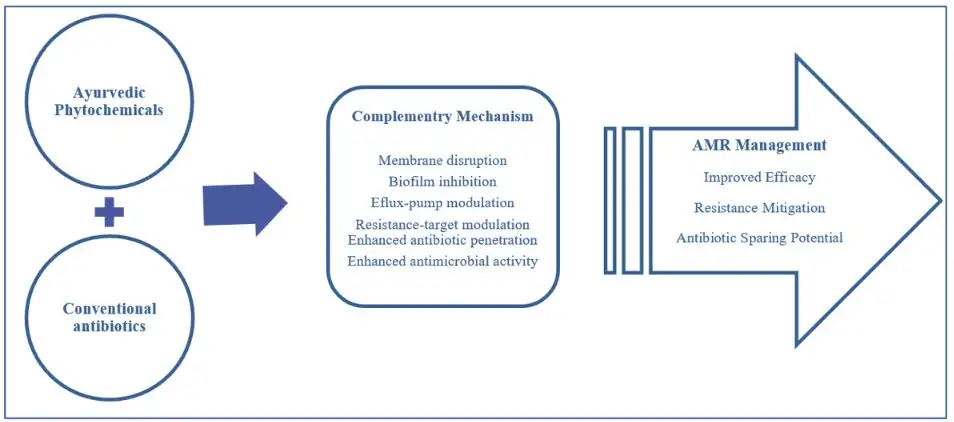
Figure 3 Ayurvedic–Antibiotic Synergy in Antimicrobial Resistance
The integration of modern antimicrobial treatments with Ayurveda serves as a potentially beneficial, complementary approach for treating as well as preventive AMR. Due to the fact that bioactive Ayurvedic phytoconstituents can improve conventional antibiotics through multifaceted mechanisms such as a disruption of bacterial membranes, inhibiting of biofilm development, modulation of factors that influence virulence, and interference with resistance-associated pathways, combination therapy is especially appealing to patients. In one instance, 17 out of 20 investigated bacterial strains revealed synergistic responses between curcumin and vancomycin against clinical MRSA isolates. Guleria and F (2025) Likewise, the ancient Ayurvedic medicinal plant Phyllanthus emblica (Amla) demonstrated its antibacterial efficacy against MRSA and ESBL-producing microbes, implying its potential use as a complement to traditional antimicrobial therapy. Tiwana and C (2025)
As per the antibiotic-stewardship, through the preventive and individualized strategies ayurveda can strengthen the modern medicine, but the microbiological diagnosis and antimicrobial susceptibility testing continue to be essential for antibiotic selection. While providing successful pathogen-directed therapies, such integration may help eliminate avoidable antibiotic exposure. Krishnamoorthy and G (2025), Ho and W (2025) In order to create personalised antimicrobial methods, Ayurveda’s Prakriti-based individualization process can be analysed in association with contemporary genomes, pharmacogenomics, and microbiome-based standardized approaches. Although this idea needs comprehensive clinical validation, recent integrative research points out that Ayurvedic fundamental features can provide a foundation for conceptualizing inter-individual diversity in the therapeutic response. Antonio Morandi (2025), Yogesh Dilip Madgulwar (2025)
Ayurvedic herbs and their biologically active constituents may act as antibiotic adjuvants, enhance the potency conventional antimicrobials against the resistant infections, corresponding to newly reported research. The key phytoconstituent of Curcuma longa, or turmeric, curcumin, demonstrated a beneficial synergistic effect with vancomycin against clinical methicillin-resistant Staphylococcus aureus (MRSA), which indicates its potential to further enhance antibacterial activity when dealing with limitations associated with biofilm and resistance. In addition, curcumin has reported increased antibacterial and antibiofilm benefits when used along with traditional anti-staphylococcal drugs, supporting complimentary modes of action. Guleria and F (2025), Batista de Andrade Neto and P (2021)
This claim is further confirmed by evidence relative to other chemicals extracted from plants. Phenolic components of medicinally used aromatic herbs, such as thymol and carvacrol, have antibacterial and antibiofilm abilities and have established simultaneous or synergistic interactions with standard antibiotics. Combinations that include thymol and carvacrol were reported to have primarily synergistic or additive effects in a 2024 systematic review, emphasizing their effectiveness as antibacterial adjuvants. Membrane instability, biofilm degradation, and enhanced bacterial susceptibility to antimicrobial drugs are probable features associated with their function. These results offer a methodological justification for evaluating P. emblica and its components as antibiotic-enhancing agents, even though it fails to demonstrate clinical antibiotic synergy. Nikolic and A (2024) , Islam and A (2024)
Together, all of these findings provide a foundation to an Ayurvedic–antibiotic adjuvant approach in which multi-target phytochemicals can strengthen pathogen-directed antibiotics by interacting with membranes, suppressing biofilms, and modifying resistance-associated pathways. However, the evidence is still mainly conducted in vitro and preclinical; before such combinations can be implemented in regular AMR management, standardized formulations, pharmacokinetic evaluation, drug-herb interaction assessments, and substantially performed clinical trials need to be conducted. Susmita Patra (2024), Shahin and B (2025)
Even though Ayurveda has a significant therapeutic potential as a supplemental treatment for antimicrobial resistance (AMR), standardization limitations, a lack of clinical validation, and regulatory uncertainty prevent its integration into evidence-based antimicrobial management.
The phytochemical composition of Ayurvedic medicines might differ significantly based on harvesting conditions, processing methods, manufacturing standards, botanical authentication, and geographic origination. The significance of high standards of quality assurance and batch-to-batch reproducibility was emphasized by a comparative evaluation of commercially available Sahacharadi Kwatha preparations, which identified fluctuation in a few quality characteristics Gopal and I (2024). Furthermore, the complex, multi-component composition of herbal formulations, made the recognition of conclusive bioactive markers and consistent mechanisms of action more challenging. Hence, obtaining repetitive antimicrobial evidence needs authenticated raw ingredients, validated analytical techniques, phytochemical screening, standardized manufacturing procedures, and predetermined quality standards Gupta and S (2025), Sandeep and G (2024).
While some Ayurvedic phytoconstituents and herbs have antimicrobial action in in-vitro models, there is still inadequate evidence to support their clinical efficacy. Methodological heterogeneity, which is crucial in AMR research that demands microbiologically confirmed infections, susceptibility to antibiotics testing, clinically meaningful outcomes, and suitable alternative therapies, may be a result due to individualized therapeutic approaches and variability in clinical judgment. Thus, to determine clinical efficacy and scientific significance, well planned randomized controlled trials using standardized interventions, verified outcomes, and comprehensive safety monitoring are needed Ashwathykutty and P (2025).
The international translation of Ayurvedic antimicrobial therapies is further limited by regulatory differences regarding traditional-use evidence, drug classification, quality assurance, safety, and clinical efficacy. Thus, it is important to have harmonized regulatory frameworks including botanical authenticity, manufacturing quality, purity, potency, contaminant control, pharmacovigilance, and clinical efficacy. Ayurveda’s evolving approach to standardized, evidence-based, and clinically accountable approaches to AMR management may be facilitated by strengthening regulatory oversight while keeping scientifically validated traditional knowledge Chen and C (2025)
Ayurvedic AMR research should proceed from first laboratory outcomes to standardized, scientifically verified, and therapeutically applicable treatments in the future. Ayurvedic phytoconstituents require being systematically screened against WHO-priority resistant pathogens, with a preference on antimicrobial, antibiofilm, resistance-modulating, and antibiotic-adjuvant effects validated by time-kill kinetics, checkerboard assays, resistance-selection studies, and molecular analyses. Carefully designed clinical trial require to conduct clinical trials, that include microbiological confirmation, antimicrobial susceptibility testing, validated phytochemical markers, pharmacokinetic report, toxicological report, drug–herb interaction data, preclinical evaluation and chemically standardized formulations having chromatographic fingerprinting, metabolomics, and validated phytochemical markers, complete safety monitoring, and clinical outcomes.
Observations
Antimicrobial resistance (AMR) is a serious worldwide concern that requires specialized approaches to treatment other than the administration conventional antibiotics. According to research evidence summarized in this review, Ayurveda proposes a promising integrative approach in which phytoconstituents and medicinal herbs may exhibit antibacterial, antibiofilm, immunomodulatory, anti-inflammatory, and resistance-modulating therapeutic properties. Furthermore, new research reveals that some Ayurvedic constituents may serve as adjuvants for antibiotics, which will improve the effectiveness of conventional antimicrobials by synergistic pathways. Personalized therapies and antimicrobial stewardship are potentially capable of being incorporated with the personalized standards of Ayurveda.
Furthermore, presently there are still significant discrepancies in formulation standardization, pharmacological mechanistic validation, clinical efficiency, safety concerns, drug-herb interactions, and regulatory harmonization, and most of the data available remains primarily in vitro and preclinical only. As consequence, Ayurveda should now be considered a potential adjunct within an integrated AMR-management approach instead of an alternate for evidence-based antibiotic therapy. For the development of consistent and therapeutically significant treatment methods, future research integrating phytochemical standardization as well as modern microbiology, pharmacology, genetics, clinical trials, and One Health initiatives will be necessary. In conclusion, combining Ayurvedic medicinal information with current scientific and clinical approaches can provide an opportunity to move toward achieving more personalized, evidence-based, and long-lasting AMR treatment options.
Acknowledgments
None.
References
- A. D. Gholap, P. R. (2025). Achieving Optimal Health with Host-Directed Therapies (HDTs) in Infectious Diseases—A New Horizon. Advanced Therapeutics, 2400169. https://doi.org/10.1002/adtp.202400169
- Abdel-Tawab, H., and Abdel-Baky, A.-M.-Q.-H. (2020). In Vivo and in Vitro Anticoccidial Efficacy of Astragalus Membranaceus Against Eimeria Papillata Infection. Journal of King Saud University–Science, 32, 2269–2275. https://doi.org/10.1016/j.jksus.2020.03.016
- Abishad, P. N. (2021). In Silico Molecular Docking and in Vitro Antimicrobial Efficacy of Phytochemicals Against Multidrug-Resistant Enteroaggregative Escherichia Coli and Non-Typhoidal Salmonella spp. Gut Pathogens, 13, 1–11. https://doi.org/10.1186/s13099-021-00443-3
- Ahirwar, H., and S. H. (2026). Plant-Derived Phytochemicals and Polyherbal Formulations in Antimicrobial Resistance: Mechanistic Evidence, Evidence Hierarchy, and Translational Constraints. Current Pharmaceutical Design. https://doi.org/10.2174/0113816128456451260424065056
- Ali, I. A. A., and N. P. (2022). Antibiofilm Activity of Phytochemicals Against Enterococcus Faecalis: A Literature Review. Phytotherapy Research, 36, 2824–2838. https://doi.org/10.1002/ptr.7488
- Aloriby, M., and E. M.-A. (2025). Overall in Vitro, in Vivo, and in Silico Evaluation of Olea Europaea and Ficus Carica Leaf Extracts for Antimicrobial Activity Against Multidrug-Resistant Pathogens. Frontiers in Microbiology, 16, 1567921. https://doi.org/10.3389/fmicb.2025.1567921
- Anand, U., and T. C. (2022). Ethnodermatological use of Medicinal Plants in India: From Ayurvedic Formulations to Clinical Perspectives—A Review. Journal of Ethnopharmacology, 284, 114744. https://doi.org/10.1016/j.jep.2021.114744
- Antimicrobial Resistance Collaborators. (2022). Global Burden of Bacterial Antimicrobial Resistance in 2019: A Systematic Analysis. The Lancet, 399, 629–655. https://doi.org/10.1016/S0140-6736(21)02653-2
- Ashraf, M. V., and P. S. (2023). Phytochemicals as Antimicrobials: Prospecting Himalayan Medicinal Plants as Source of Alternate Medicine to Combat Antimicrobial Resistance. Pharmaceuticals, 16(6), 881. https://doi.org/10.3390/ph16060881
- Ashwathykutty, V., and P. U. (2025). Addressing Clinical Practice Variability in Ayurveda: An Urgent Need for Developing Clinical Practice Guidelines. Journal of Ayurveda and Integrative Medicine, 16, 101201. https://doi.org/10.1016/j.jaim.2025.101201
- Bataineh, S., Tarazi, Y., and Ahmad, W. (2021). Antibacterial Efficacy of Some Medicinal Plants on Multidrug Resistance Bacteria and their Toxicity on Eukaryotic Cells. Applied Sciences, 11(18), 8479. https://doi.org/10.3390/app11188479
- Batista de Andrade Neto, J., and P. d. (2021). Anti-MRSA Activity of Curcumin in Planktonic Cells and Biofilms and Determination of Possible Action Mechanisms. Microbial Pathogenesis, 104892. https://doi.org/10.1016/j.micpath.2021.104892
- Bindhu, A., and N. S. (2025). Plants used in Ayurveda for Jwara or Fever: A Review of their Antiviral Studies. Journal of Ayurveda and Integrative Medicine, 16, 101085. https://doi.org/10.1016/j.jaim.2024.101085
- Chen, Q., and C. H. (2025). Regulatory Frameworks and Evidence Requirements for Traditional, Complementary and Integrative Medicines. Bulletin of the World Health Organization, 103, 696–707. https://doi.org/10.2471/BLT.25.293437
- Cocker, D. B. (2024). Healthcare as a Driver, Reservoir and Amplifier of Antimicrobial Resistance: Opportunities for Interventions. Nature Reviews Microbiology, 22, 636–649. https://doi.org/10.1038/s41579-024-01076-4
- De Silva, H. B., and D. Y.-V. (2026). Antimicrobial Effect of Spices and their Phytochemicals: A Novel Approach to Overcoming Antibiotic Resistance. MedComm. https://doi.org/10.1002/mco2.70680
- Dongre, P., and B. R. (2022). In Silico and Molecular Docking Studies of Black Pepper. Indian Journal of Pharmaceutical Education and Research, 56(1), 199–206. https://doi.org/10.5530/ijper.56.1.23
- El-Saadony, M. T., and S. A.-M.-T.-T. (2025). Medicinal Plants: Bioactive Compounds, Biological Activities, Combating Multidrug-Resistant Microorganisms, and Human Health Benefits—A Comprehensive Review. Frontiers in Immunology, 16, 1491777. https://doi.org/10.3389/fimmu.2025.1491777
- Goldmann, D., and R. S. (2024). Preventing and Controlling Global Antimicrobial Resistance—Implementing a Whole-System Approach. The New England Journal of Medicine, 391(8), 681–685. https://doi.org/10.1056/NEJMp2401360
- Gopal, S., and I. L. (2024). Analysis of Quality Parameters and Preservative Concentrations in Sahacharadi Kwatha: A Comparative Study of Three Commercial Brands. Journal of Ayurveda and Integrative Medicine, 15, 101029. https://doi.org/10.1016/j.jaim.2024.101029
- Guleria, A., and F. N. (2025). Synergistic Potential of Curcumin-Vancomycin Therapy in Combating Methicillin-Resistant Staphylococcus Aureus Infections: Exploring a Novel Approach to Address Antibiotic Resistance and Toxicity. Microbial Drug Resistance, 31, 65–74. https://doi.org/10.1089/mdr.2024.0231
- Gulumbe, B. H., and A. A. (2026). The Global Surge of Drug-Resistant Infections and What it Reveals about Our Failing Defenses. Expert Review of Anti-Infective Therapy, 24, 663–676. https://doi.org/10.1080/14787210.2026.2684571
- Gupta, A., and S. V. (2025). Towards Standardization of Prakriti Evaluation: A Scoping Review of Modern Assessment Tools and Their Psychometric Properties in Ayurvedic Medicine. Journal of Ayurveda and Integrative Medicine, 16, 101157. https://doi.org/10.1016/j.jaim.2025.101157
- Ho, C. S., and W. C.-N. (2025). Antimicrobial Resistance: A Concise Update. The Lancet Microbe, 6, 1–14. https://doi.org/10.1016/j.lanmic.2024.07.010
- Islam, M. R., and A. M. (2024). Retention of Methicillin Susceptibility in Staphylococcus Aureus Using Natural Adjuvant as an Allosteric Modifier of Penicillin-Binding Protein 2a. Computers in Biology and Medicine, 109070. https://doi.org/10.1016/j.compbiomed.2024.109070
- Jach, M. E., and S. E. (2026). Probiotic-Plant Bioactive Synergy in Gut Health: Mechanisms, Antimicrobial Activity, and Translational Challenges. Nutrients, 18(13), 2112. https://doi.org/10.3390/nu18132112
- Jadimurthy, R. J. (2023). Phytochemicals as Invaluable Sources of Potent Antimicrobial Agents to Combat Antibiotic Resistance. Life, 13(4), 948. https://doi.org/10.3390/life13040948
- James, R. H. (2026). Antimicrobial Stewardship from a One Health Perspective. Nature Reviews Microbiology, 24, 146–162. https://doi.org/10.1038/s41579-025-01233-3
- Joshi, K., and P. B. (2023). Ayurvedic Biology and Road Ahead: The First Decade. Journal of Ayurveda and Integrative Medicine, 14, 100588. https://doi.org/10.1016/j.jaim.2022.100588
- Kebede, T. G. (2021). Antimicrobial Activities Evaluation and Phytochemical Screening of Some Selected Medicinal Plants: A Possible Alternative in the Treatment of Multidrug-Resistant Microbes. PLOS ONE, 16, 1–16. https://doi.org/10.1371/journal.pone.0249253
- Kerek, Á., and S.-N. (2023). Determining the in Vivo Efficacy of Plant-Based and Probiotic-Based Antibiotic Alternatives Against Mixed Infection with Salmonella Enterica and Escherichia Coli in Domestic Chickens. Veterinary Sciences, 10(12), 706. https://doi.org/10.3390/vetsci10120706
- Kotb, S. M., and F. M.-K.-A. (2025). Comprehensive Phytochemical Mapping and Biomedical Evaluation of LAwsonia Inermis L.: A Potential Natural Treatment for Diabetic Foot Ulcers with Wound Healing and Antimicrobial Effects. Fitoterapia, 106939. https://doi.org/10.1016/j.fitote.2025.106939
- Krishnamoorthy, Y., and G. D.-T. (2025). A Systematic Review of the Effectiveness and Cost-Effectiveness of Implementing Antimicrobial Stewardship Program at Tertiary Care Facilities in India. IJID Regions, 15, 100666. https://doi.org/10.1016/j.ijregi.2025.100666
- Laxminarayan, R., and I. I. (2024). Expanding Antibiotic, Vaccine, and Diagnostics Development and Access to Tackle Antimicrobial Resistance. The Lancet, 403(10443). https://doi.org/10.1016/S0140-6736(24)00878-X
- Lee, M., and S. H. (2022). Systems Pharmacology Approaches in Herbal Medicine Research: A Brief Review. BMB Reports, 55(9), 417–428. https://doi.org/10.5483/BMBRep.2022.55.9.102
- Likhitkar, D. M. (2023). Phytochemical Screening and Evaluation of Traditional Herbal Medicines. International Journal of Advanced Research in Multidisciplinary, 789–793.
- Madgulwar, Y. D., and K. J. (2025). The Intersection of Ayurveda and Genomics: Exploring Ayurgenomics for Personalized Health Solutions. Journal of Ayurveda and Integrative Medical Sciences, 9(10), 168–177. https://doi.org/10.21760/jaims.9.10.28
- Metangale, A. R., and M. B. (2024). Role of Ayurveda in the Prevention of Communicable Diseases. Journal of Ayurveda and Integrated Medical Sciences, 9(11), 181–185. https://doi.org/10.21760/jaims.9.11.25
- Morandi, A., and M. C. (2025). Translating Ayurvedic Concepts to Modern Drug Structures: A Novel Paradigm. Journal of Ayurveda and Integrative Medicine, 16, 101203. https://doi.org/10.1016/j.jaim.2025.101203
- Naghavi, M., and V. S. (2024). Global Burden of Bacterial Antimicrobial Resistance 1990–2021: A Systematic Analysis with Forecasts to 2050. The Lancet, 404, 1199–1226. https://doi.org/10.1016/S0140-6736(24)01867-1
- Nikolic, I., and A. S. (2024). Anti-Staphylococcus Aureus Activity of Volatile Phytochemicals and their Combinations with Conventional Antibiotics Against Methicillin-Susceptible S. Aureus (MSSA) and Methicillin-Resistant S. Aureus (MRSA) Strains. Antibiotics, 13(11), 1030. https://doi.org/10.3390/antibiotics13111030
- Noor, F., and T. U. (2022). Network Pharmacology Approach for Medicinal Plants: Review and Assessment. Pharmaceuticals, 15(5), 572. https://doi.org/10.3390/ph15050572
- Pandkar, P. D., and S. V. (2022). Pathophysiology of COVID-19 and Host-Centric Approaches in Ayurveda. Journal of Ayurveda and Integrative Medicine, 13, 100380. https://doi.org/10.1016/j.jaim.2020.11.010
- Patil, P., and J. S. (2023). A Review on Plants Possesses Anti Tubercular Activity. Journal of Preventive Medicine and Holistic Health, 9, 50–56. https://doi.org/10.18231/j.jpmhh.2023.012
- Patra, M. G. (2025). Antimicrobial Resistance: A Rising Global Threat to Public Health. Infection and Drug Resistance, 18, 5419–5437. https://doi.org/10.2147/IDR.S530557
- Patra, S., and P. B. (2024). Repression of Resistance Mechanisms of Pseudomonas Aeruginosa: Implications of the Combination of Antibiotics and Phytoconstituents. Archives of Microbiology. https://doi.org/10.1007/s00203-024-04012-5
- Sahu, R., and G. P. (2023). Ayurveda and in Silico Approach: A Challenging Proficient Confluence for Better Development of Effective Traditional Medicine Spotlighting Network Pharmacology. Chinese Journal of Integrative Medicine, 29, 470–480. https://doi.org/10.1007/s11655-022-3584-x
- Sakkas, H. G. (2016). In Vitro Antimicrobial Activity of Five Essential Oils on Multidrug Resistant Gram-Negative Clinical Isolates. Journal of Intercultural Ethnopharmacology, 5, 212–218. https://doi.org/10.5455/jice.20160331064446
- Sandeep, C., and G. V. (2024). Integrating Ayurvedic Philosophy with Modern Technologies for Drug Research and Development: A Critical Need of Mechanistic Insights for Wider Acceptability. Journal of Ayurveda and Integrative Medicine, 15, 100954. https://doi.org/10.1016/j.jaim.2024.100954
- Sarojini, S., and J. S. (2025). Harnessing the Potential of Antibacterial and Antibiofilm Phytochemicals in the Combat Against Superbugs: A One Health Perspective. Antibiotics, 14(7), 692. https://doi.org/10.3390/antibiotics14070692
- Shahin, H. H., and B. M. (2025). Synergistic Antibacterial Effects of Plant Extracts and Essential Oils Against Drug-Resistant Bacteria of Clinical Interest. Pathogens, 14(4), 348. https://doi.org/10.3390/pathogens14040348
- Sherif, M., and M.-A. (2023). In Vitro Antibacterial and Phytochemical Screening of Hypericum Perforatum Extract as Potential Antimicrobial Agents Against Multi-Drug-Resistant (MDR) Strains of Clinical Origin. BioMed Research International, 2023, 6934398. https://doi.org/10.1155/2023/6934398
- Shinde, A., and M. A. (2026). Current Status of Antimicrobial Resistance in Indian Healthcare System: Combating Antimicrobial Resistance with Precision Medicine. Frontiers in Antibiotics, 1632790. https://doi.org/10.3389/frabi.2026.1632790
- Srivastava, A., and V. N. (2026). A Review of Phytochemicals Targeting Bacterial Biofilm and Quorum Sensing Pathways: Molecular, Microbiological, and Mechanistic Insights. Archives of Microbiology. https://doi.org/10.1007/s00203-026-04871-0
- Suresh, Y. B. (2026). In Silico Screening of Phytochemical Efficacy Against Antimicrobial Resistance Proteins Via Molecular Docking. Biointerface Research in Applied Chemistry, 16(3), 88. https://doi.org/10.33263/BRIAC163.088
- Tang, K. W. K., and M. B. (2023). Antimicrobial Resistance (AMR). British Journal of Biomedical Science, 80, 11387. https://doi.org/10.3389/bjbs.2023.11387
- Tiwana, G., and C. I. (2025). Phyllanthus Emblica: Phytochemistry, Antimicrobial Potential with Antibiotic Enhancement, and Toxicity Insights. Microorganisms, 13(3), 611. https://doi.org/10.3390/microorganisms13030611
- Tosas Auguet, O., and D. A. (2025). Global Antibiotic Resistance Surveillance Report 2025: WHO Global Antimicrobial Resistance. World Health Organization.
- Umesh, C., and R. K. (2022). Role of Ayurveda and Yoga-Based Lifestyle in the COVID-19 Pandemic: A Narrative Review. Journal of Ayurveda and Integrative Medicine, 13, 100493. https://doi.org/10.1016/j.jaim.2021.07.009
- Waheed, M. M. (2022). Evaluation of Conocarpus Erectus Against Multidrug-Resistant Staphylococcus Aureus: Cell to Animal Study. Pakistan Journal of Pharmaceutical Sciences, 35, 273–280.
- Wang, Z.-J., and Y.-Y.-Y.-M.-S.-Z.-B.-D. (2024). A New Therapeutic Strategy for Infectious Diseases Against Intracellular Multidrug-Resistant Bacteria. Journal of Controlled Release, 467–477. https://doi.org/10.1016/j.jconrel.2024.09.028
- World Health Organization. (2024). WHO Bacterial Priority Pathogens List, 2024: Bacterial Pathogens of Public Health Importance to Guide Research, Development and Strategies to Prevent and Control Antimicrobial Resistance.
- Zaidi, S., and D. P. (2015). In Vitro Antimicrobial Activity, Phytochemical Analysis and Total Phenolic Content of Essential oil from Mentha Spicata and Mentha Piperita. International Food Research Journal, 2440–2445.
*Corresponding Author:
Email address: Dr. Maheshvari Patel (maheshvari@novobliss.in), Dr. Nayan Patel (Dr.Nayan@novobliss.in)
Received: 05 September 2026; Revised: 09 October 2026; Accepted: 22 October 2026; Published: 07 November 2026
DOI: 10.29121/jahim.v6.i3.2026.119
Page Number: 29-46
Journal Title: Journal of Ayurvedic Herbal and Integrative Medicine
Journal Abbreviation: J. Ayu. Her. Integr. Med.
Online ISSN: 2582-9955
Publisher: Granthaalayah Publications and Printers, India
Conflict of Interests: The authors declare that they have no competing interests.
Funding: This research received no specific grant from any funding agency in the public, commercial, or not-for-profit sectors.
Authors’ Contributions: Each author made an equal contribution to the conception and design of the study. All authors have reviewed and approved the final version of the manuscript for publication.
Transparency: The authors affirm that this manuscript presents an honest, accurate, and transparent account of the study. All essential aspects have been included, and any deviations from the original study plan have been clearly explained. The writing process strictly adhered to established ethical standards.
Copyright: © 2026 The Author(s). This work is licensed under a Creative Commons Attribution 4.0 International License. With the license CC-BY, authors retain the copyright, allowing anyone to download, reuse, re-print, modify, distribute, and/or copy their contribution. The work must be properly attributed to its author.