
UNDERSTANDING SUNSCREENS FOR INDIA: SPF, UV Protection, and Practical Use

Over the past few years, sunscreen has moved from being a niche skincare product to a foundational element of preventive dermatology. Whether the concern is acne, pigmentation, photoaging, or long-term skin health, sun protection is consistently recommended as both a first line of defence and a critical adjunct to treatment. Despite this widespread awareness, uncertainty persists around fundamental questions: What strength of SPF is truly necessary? How much sunscreen is enough? And how can one assess whether a formulation delivers meaningful protection beyond the label claims?
Moving Beyond Marketing Terminology and Returning to the Science of Ultraviolet (UV) Radiation and its Interaction with the Skin
Ultraviolet radiation is an invisible form of energy emitted by the sun that, while limited exposure supports vitamin D synthesis, causes cumulative skin damage and increases skin cancer risk when exposure is excessive or unprotected. India’s tropical and subtropical geography results in consistently high UV levels throughout the year, amplified by long daylight hours, high temperatures, reflective surfaces, and frequent outdoor activity making sun protection a year-round necessity. Clinically, UVA radiation penetrates deep into the skin, driving tanning, oxidative stress, collagen breakdown, and premature aging, while UVB affects superficial layers, causing sunburn, erythema, pigmentation, and acute inflammation. Both UVA and UVB contribute significantly to non-melanoma and melanoma skin cancers, whereas UVC radiation is effectively filtered by the Earth’s atmosphere and does not reach the skin.
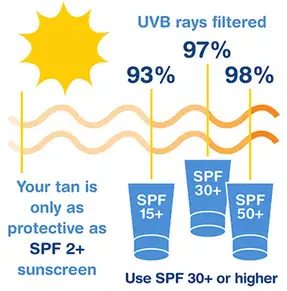
Sun Protection Factor (SPF) is a standardized clinical measure of a sunscreen’s ability to protect the skin from UVB-induced damage, primarily sunburn, by indicating how much longer protected skin can tolerate UV exposure compared to unprotected skin under controlled testing conditions. In practical terms, SPF 30 filters approximately 97% of UVB radiation, while SPF 50 filters about 98%, with higher SPF formulations offering an added margin of protection under real-world conditions such as high humidity, sweating, and prolonged outdoor exposure common in India. For Indian skin types, dermatological guidance supports routine use of at least SPF 30, with SPF 50 preferred for individuals with pigmentation concerns, active acne treatments, outdoor occupations, or extended sun exposure, alongside broad-spectrum UVA protection to effectively limit photoaging and pigmentation.
Applying Sunscreen the Right Way
Clinical testing of sunscreens uses an application thickness of 2 mg/cm², which is rarely achieved in daily use, making under-application a key cause of reduced real-world efficacy. For adequate face and neck protection, this equals roughly two finger-lengths of product, applied 15–20 minutes before sun exposure. As UV filters degrade with sunlight, sweat, sebum, and friction, reapplication every 2–3 hours is recommended in Indian conditions, especially during prolonged outdoor exposure.
Sunscreen in Active Skincare
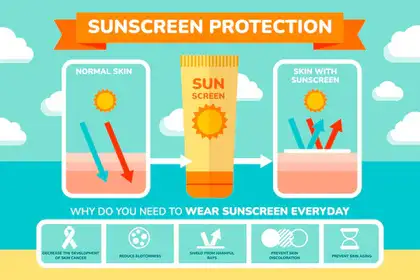
Sunscreen should be a non-negotiable part of daily skincare, applied after cleansing, serums, and moisturizers, and before makeup. This is particularly important for users of active ingredients such as vitamin C, hyaluronic acid, retinoids, or exfoliating acids, which increase skin sensitivity to UV exposure. Inadequate sun protection can result in pigmentation, irritation, and photo-induced reactions. Consistent sunscreen use preserves treatment benefits and prevents rebound pigmentation and long-term photodamage.
Conclusion
Grounded in clinical SPF and UVA testing, effective sun protection must be viewed through the lens of real-world exposure—especially in India, where high UV indices, a tropical climate, and melanin-rich skin influence sunscreen performance and usage. True photoprotection goes beyond high SPF, requiring broad-spectrum coverage, correct application, timely reapplication, and consistent daily use tailored to local conditions and individual skin needs. When thoughtfully integrated into skincare routines, sunscreen functions not merely as sunburn prevention, but as a clinically essential tool for maintaining skin integrity, treatment outcomes, and long-term skin health.